
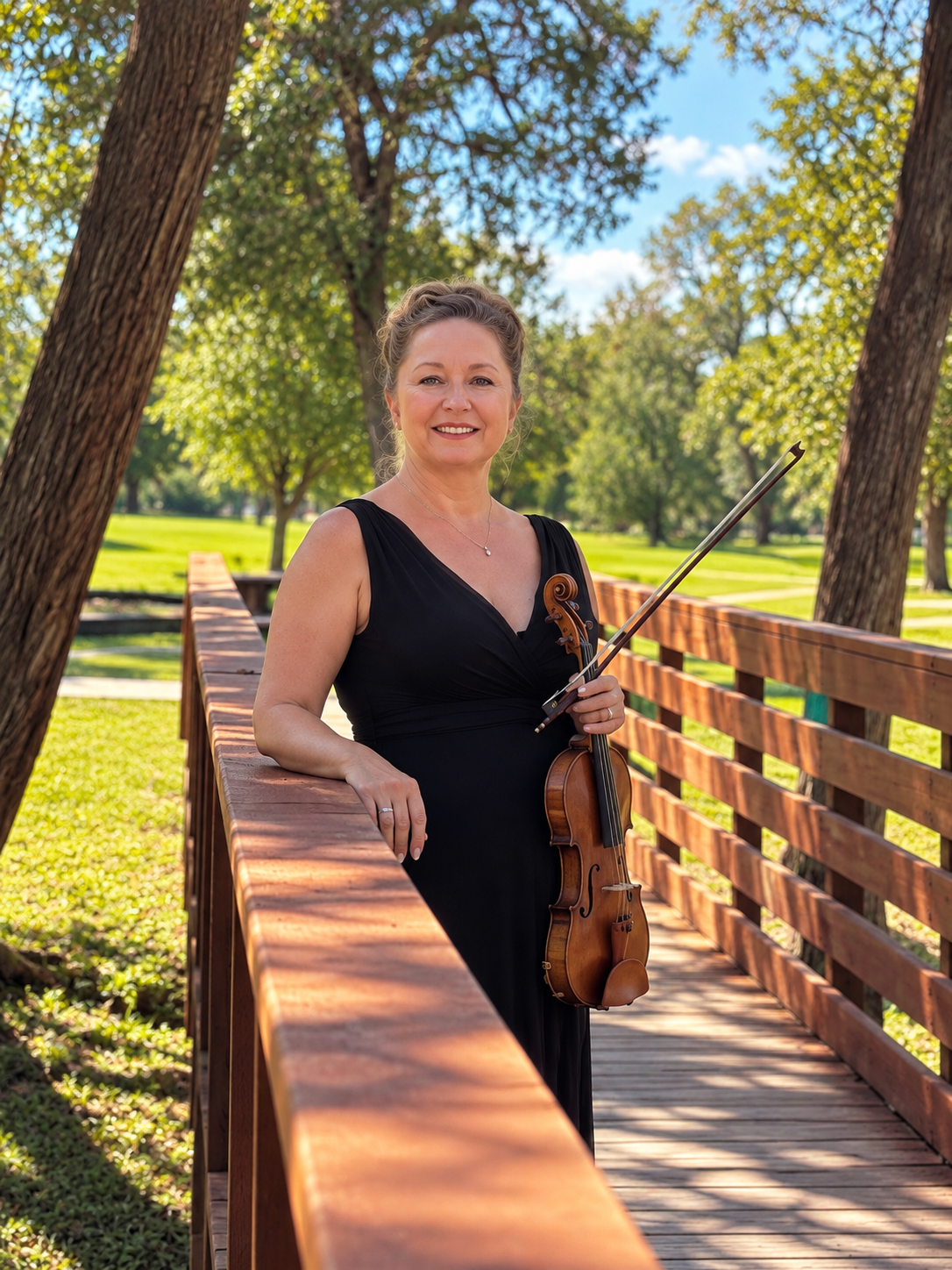
Broadbent School of Violin Artistry
Study with purpose. Play with passion.
Stop collecting violin advice. Start understanding your playing.
The Broadbent School of Violin Artistry is for violinists who want to understand not only what to practice, but why something is—or isn’t—working.
Whether you are beginning, returning to the violin, working toward the next level, or already an advanced player with a specific technical or musical question, Heather Broadbent’s teaching helps you build thoughtfully and identify the underlying causes when something stands in your way.
Rooted in the Auer–Ysaÿe tradition and shaped by more than three decades of performing, teaching, study and research, the Broadbent approach treats violin playing as an interconnected whole—not a collection of isolated techniques.
Three decades of violin pedagogy · Auer–Ysaÿe lineage · A pioneer in online violin education
Why Isn’t Your Playing Moving Forward?
You can practice longer, learn more exercises, and watch more violin videos and still find yourself facing the same problems.
In this video, Heather examines four underlying blocks that can prevent violinists from progressing, and why solving the cause can matter more than practicing the symptom.
Know Your Block? Let’s Get You Past It.
You may already know what needs to change. The harder question is how.
Let Heather put an experienced set of eyes and ears on your playing and help you find the way forward.
Why You’re Not Progressing on the Violin: 4 Main Blocks
Where Are You in Your Violin Study?
There is no single starting point for serious violin study.
You may be picking up the violin for the first time, returning after decades away, building the technique to move beyond the intermediate level, or already playing at an advanced or professional level and looking for answers to very specific questions.
Start where you are.
BEGINNING VIOLIN
Start well from the very beginning.
Build your playing on a thoughtful foundation of violin hold, bow use, listening, rhythm, intonation, technique and musicianship—without having to undo unnecessary habits later.
VIOLIN FOR RETURNING ADULTS
Come back to the violin with the player you are now.
Perhaps you played as a child, studied years ago, or have returned after a long absence.
Rebuild security, recover technique, fill in the gaps in your earlier training and rediscover the musician who brought you back to the instrument.
INTERMEDIATE, ADVANCED AND PROFESSIONAL VIOLINISTS
Find the answer your playing needs next.
You may be working to move beyond an intermediate plateau, refining an already advanced technique, or looking for an experienced perspective on one very specific problem.
Enter the School by area of study—tone, intonation, bow and sound production, vibrato, technique, positions, practice, repertoire, musicality and more—and go directly to the work your playing needs.
Whether university-trained, privately trained or largely self-directed, serious players sometimes don’t need another complete curriculum.
They need the right answer to the right question.
When You Know Something Is Holding Your Playing Back
Perhaps there is no teacher in your area who can take your playing where you want it to go.
Perhaps you have studied for years, yet intonation remains unreliable, shifting feels uncertain, your bow does not produce the sound you hear in your head, or tension keeps returning no matter how much you practice.
Or perhaps you are progressing—but you know you need an experienced set of eyes and ears to understand what is keeping you from the next level.
You can find thousands of violin lessons online.
What is harder to find is an understanding of why something in your playing isn’t working.
Violin Problems Are Rarely Just Violin Problems
A problem with vibrato may begin with the way you hold the instrument.
Uncertain shifting may originate in the organization of the left hand.
Intonation may be as much a problem of listening as finger placement.
A thin or forced sound may involve the bow, physical balance, contact with the string—or several of these at once.
This is why the Broadbent School does not teach violin playing as a collection of unrelated techniques.
Heather’s approach looks for the relationships between the different parts of your playing—body balance, violin hold, left-hand organization, bow balance, listening, rhythm, technique and musical intention.
Instead of simply asking:
What exercise should I practice?
Heather asks:
Why is this happening?
Once you understand the cause, practice becomes far more intelligent.
You don’t need more violin information.
You need to understand what matters in your playing and how to fix it.
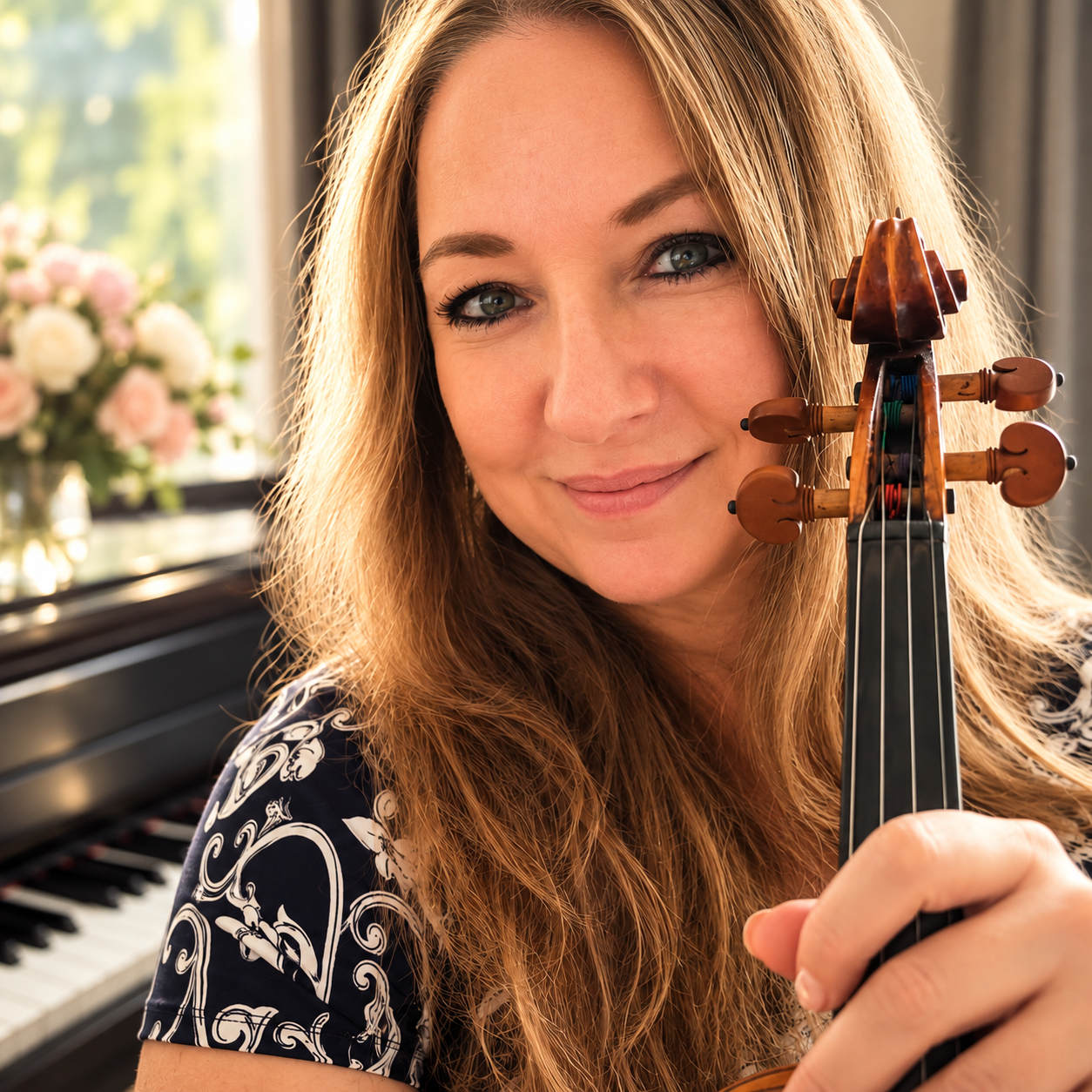
A Living Tradition of Violin Pedagogy
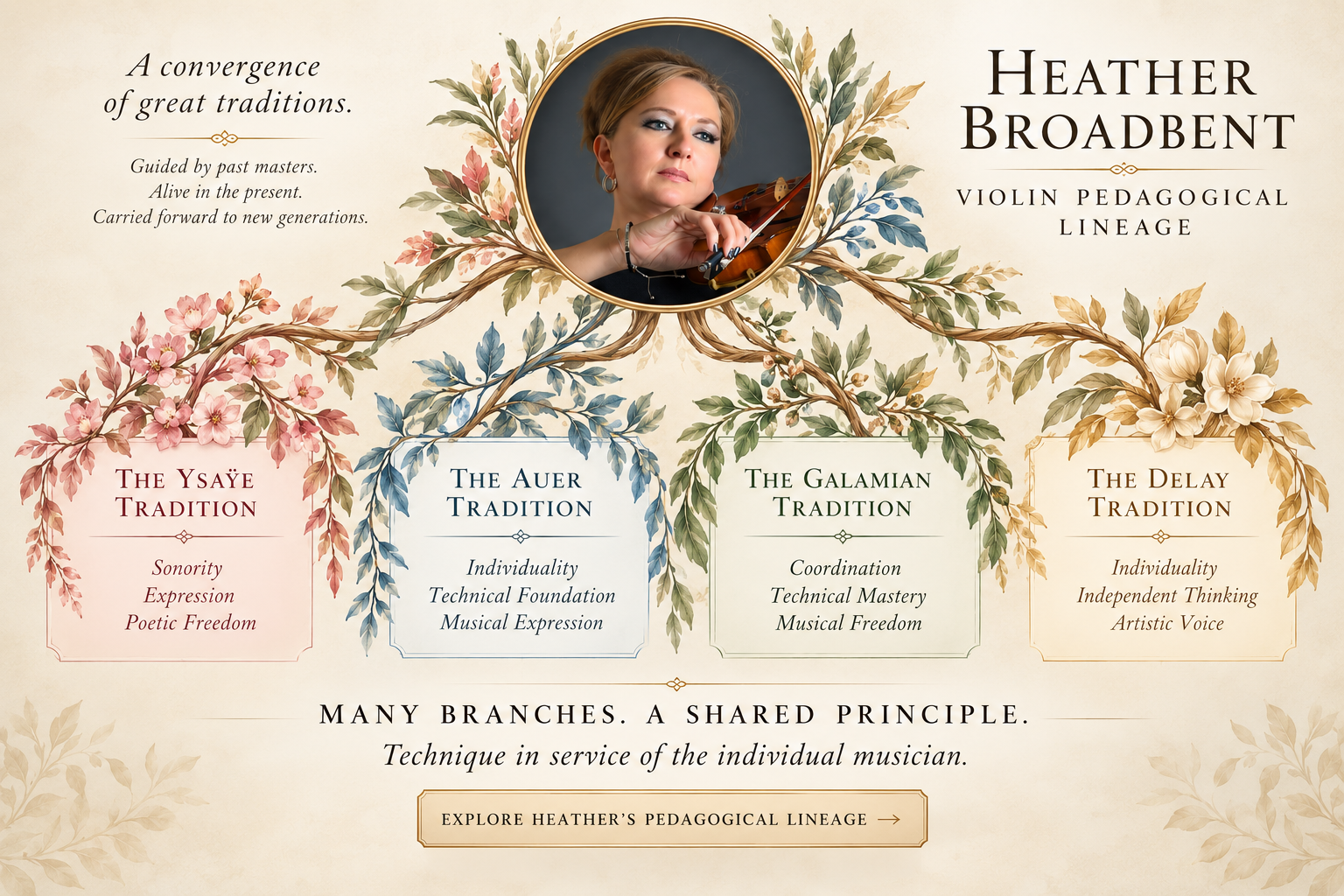
Heather’s teaching draws from the Russian and French-Belgian traditions of violin playing, with pedagogical lines reaching through Leopold Auer and Eugène Ysaÿe to Jakob Dont and Charles-Auguste de Bériot.
The Broadbent approach is not adherence to a single historical “method.” It is a living approach to violin pedagogy: rooted in tradition, strengthened by research, and continually refined through practice.
The work centers on the relationship between three fundamental areas:
Body Balance
How the violinist and instrument work together with security and freedom, without unnecessary tension.
Right-Hand & Bow Balance
How movement, weight, contact and coordination work together to create a resonant and expressive sound.
A Balanced Left-Hand
How the hand develops security, intonation, shifting, vibrato, facility and freedom.
Listening and musicianship connect them all.
When the underlying foundations improve, the violin becomes easier to play and technique becomes available for music rather than something constantly fighting against it.
A Pioneer in Online Violin Education
From the archive: Heather teaching violin online, 2012
Heather was teaching violin online long before online music study became commonplace.
Beginning in the early years of Skype-based music instruction, Heather was among the early violin pedagogues exploring how serious, individual violin study could reach students regardless of geography.
Her work developed into Online Violin Education, online academies, workshops, instructional video, original technical studies, courses and private teaching with violinists around the world.
More than a decade later, the technology has changed. The essential question has not:
How do you give a violinist more than information?
How do you help them understand what is actually happening in their playing?
The Broadbent School of Violin Artistry is the continuation of that work traditional violin pedagogy brought thoughtfully into a modern, international studio.
“I know Heather Broadbent to be an excellent violinist who has a great deal to offer as a unique violin pedagogue. I have had the pleasure of hearing her in concert and as a member of the orchestras that I have conducted. I highly recommend her books and courses to anyone who has a serious interest in gaining her insights into the world of violin playing.”
— Philip Greenburg, Conductor, USA
Study with Heather
Choose how you want to study,
The Broadbent School is designed to meet you at different points in your violin study. Work independently with Heather’s teaching, study alongside her live, or work with her directly.
Self Guided Study
Explore Heather’s courses, technical studies and teaching materials in your own time, returning to the work as often as you need.
Practice with Heather
Join Heather live in Co-Practice and bring greater structure, attention and continuity to the work already on your music stand.
Live Group Workshops
Join focused workshops online devoted to specific areas of violin playing: technique, intonation, shifting, vibrato, phrasing, practice and more.
Work Privately with Heather
Bring Heather directly into your playing. Individual study gives you her eyes and ears on the technical and musical questions that are uniquely yours.
Begin with Your Sound
Not ready to choose a course of study?
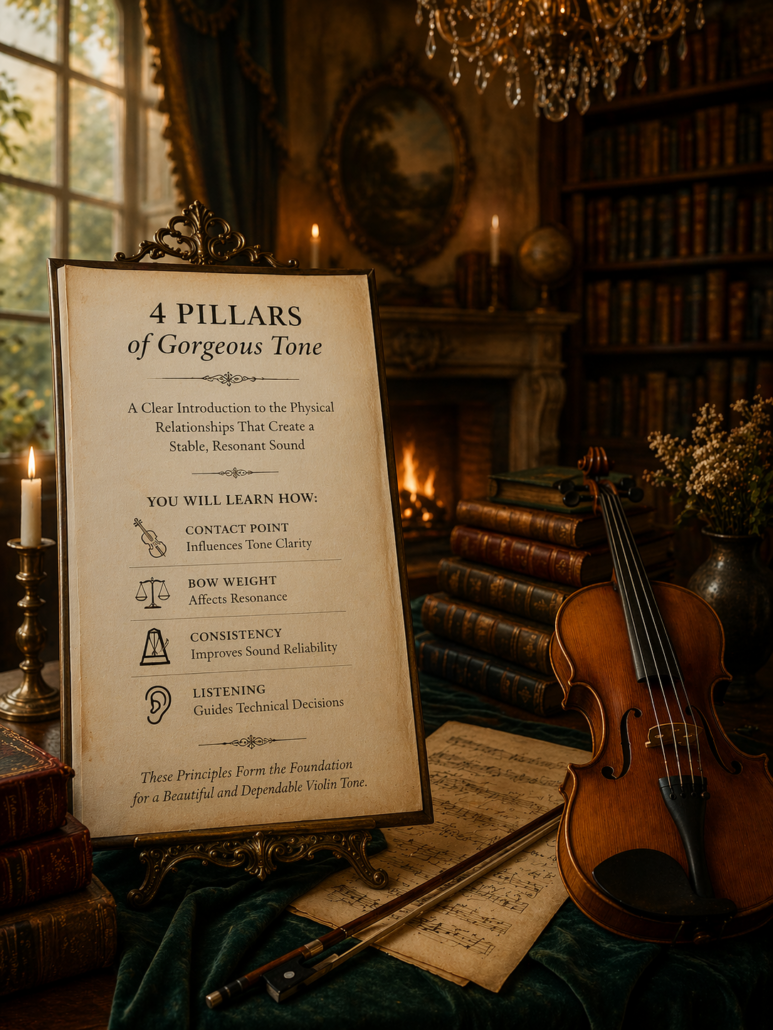
Beautiful tone is not something reserved for naturally gifted players.
It develops from understanding how the violin, bow, body and ear work together.
Begin with Heather’s guide to the essential pillars of violin tone and discover what may be standing between you and a freer, more resonant sound.
From Heather’s Practice Room
The performer and pedagogue, a forever student.
Serious violin study is never finished.
Follow Heather’s current work through performances, practice sessions, repertoire explorations, technical studies and teaching drawn directly from her own work at the violin.
The Study with Heather Series opens the door to the continuing process of violin study—what Heather is practicing, investigating, revisiting and discovering along the way.
 https://heatherkayeviolin.com/wp-content/uploads/2026/10/BP-Image-3.png
400
495
Heather Kaye
https://heatherkayeviolin.com/wp-content/uploads/2026/09/BVSA-logo.png
Heather Kaye2026-10-23 18:11:312026-10-25 00:31:47Second Position Violin Practice: Alard Étude No. 7
https://heatherkayeviolin.com/wp-content/uploads/2026/10/BP-Image-3.png
400
495
Heather Kaye
https://heatherkayeviolin.com/wp-content/uploads/2026/09/BVSA-logo.png
Heather Kaye2026-10-23 18:11:312026-10-25 00:31:47Second Position Violin Practice: Alard Étude No. 7 https://heatherkayeviolin.com/wp-content/uploads/2026/10/Afraid-to-Practice-Again_.png
941
1672
Heather Kaye
https://heatherkayeviolin.com/wp-content/uploads/2026/09/BVSA-logo.png
Heather Kaye2026-10-19 22:10:052026-10-19 22:13:54Afraid to Practice Violin Again? How to Start After a Break
https://heatherkayeviolin.com/wp-content/uploads/2026/10/Afraid-to-Practice-Again_.png
941
1672
Heather Kaye
https://heatherkayeviolin.com/wp-content/uploads/2026/09/BVSA-logo.png
Heather Kaye2026-10-19 22:10:052026-10-19 22:13:54Afraid to Practice Violin Again? How to Start After a Break https://heatherkayeviolin.com/wp-content/uploads/2026/10/BP-Image.png
400
495
Heather Kaye
https://heatherkayeviolin.com/wp-content/uploads/2026/09/BVSA-logo.png
Heather Kaye2026-10-18 19:37:002026-10-18 19:41:37How to Get Back Into Violin After Years Away: A Practice Guide for Returning Adult Violinists
https://heatherkayeviolin.com/wp-content/uploads/2026/10/BP-Image.png
400
495
Heather Kaye
https://heatherkayeviolin.com/wp-content/uploads/2026/09/BVSA-logo.png
Heather Kaye2026-10-18 19:37:002026-10-18 19:41:37How to Get Back Into Violin After Years Away: A Practice Guide for Returning Adult Violinists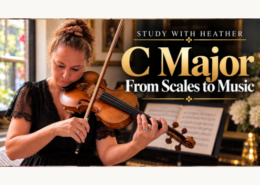 https://heatherkayeviolin.com/wp-content/uploads/2026/10/BP-Image-2.png
400
495
Heather Kaye
https://heatherkayeviolin.com/wp-content/uploads/2026/09/BVSA-logo.png
Heather Kaye2026-10-16 20:07:012026-10-18 01:03:15From C Major Studies to Music: Applying Violin Technique in Practice
https://heatherkayeviolin.com/wp-content/uploads/2026/10/BP-Image-2.png
400
495
Heather Kaye
https://heatherkayeviolin.com/wp-content/uploads/2026/09/BVSA-logo.png
Heather Kaye2026-10-16 20:07:012026-10-18 01:03:15From C Major Studies to Music: Applying Violin Technique in Practice https://heatherkayeviolin.com/wp-content/uploads/2026/10/BP-Image-1.png
400
495
Heather Kaye
https://heatherkayeviolin.com/wp-content/uploads/2026/09/BVSA-logo.png
Heather Kaye2026-10-13 04:54:122026-10-13 05:01:25How to Play High Notes on the Violin in Tune (With Beautiful Tone)
https://heatherkayeviolin.com/wp-content/uploads/2026/10/BP-Image-1.png
400
495
Heather Kaye
https://heatherkayeviolin.com/wp-content/uploads/2026/09/BVSA-logo.png
Heather Kaye2026-10-13 04:54:122026-10-13 05:01:25How to Play High Notes on the Violin in Tune (With Beautiful Tone)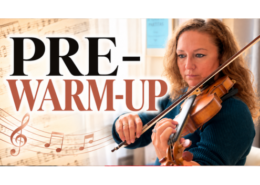 https://heatherkayeviolin.com/wp-content/uploads/2026/10/pre-warm-up-BP-Image.png
400
495
Heather Kaye
https://heatherkayeviolin.com/wp-content/uploads/2026/09/BVSA-logo.png
Heather Kaye2026-10-11 21:56:052026-10-11 22:17:15Transform Your Practice: The Power of a Pre-Warm-Up Routine
https://heatherkayeviolin.com/wp-content/uploads/2026/10/pre-warm-up-BP-Image.png
400
495
Heather Kaye
https://heatherkayeviolin.com/wp-content/uploads/2026/09/BVSA-logo.png
Heather Kaye2026-10-11 21:56:052026-10-11 22:17:15Transform Your Practice: The Power of a Pre-Warm-Up Routine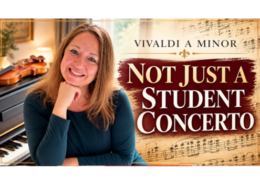 https://heatherkayeviolin.com/wp-content/uploads/2026/10/viv-bp.png
400
495
Heather Kaye
https://heatherkayeviolin.com/wp-content/uploads/2026/09/BVSA-logo.png
Heather Kaye2026-10-05 21:30:352026-10-05 21:56:34Vivaldi Violin Concerto in A Minor: Beyond the Student Concerto
https://heatherkayeviolin.com/wp-content/uploads/2026/10/viv-bp.png
400
495
Heather Kaye
https://heatherkayeviolin.com/wp-content/uploads/2026/09/BVSA-logo.png
Heather Kaye2026-10-05 21:30:352026-10-05 21:56:34Vivaldi Violin Concerto in A Minor: Beyond the Student Concerto https://heatherkayeviolin.com/wp-content/uploads/2026/09/BP-Image-2.png
400
495
Heather Kaye
https://heatherkayeviolin.com/wp-content/uploads/2026/09/BVSA-logo.png
Heather Kaye2026-09-26 15:14:452026-09-27 00:22:402-Octave C Major Scales in Varying Positions 🎻
https://heatherkayeviolin.com/wp-content/uploads/2026/09/BP-Image-2.png
400
495
Heather Kaye
https://heatherkayeviolin.com/wp-content/uploads/2026/09/BVSA-logo.png
Heather Kaye2026-09-26 15:14:452026-09-27 00:22:402-Octave C Major Scales in Varying Positions 🎻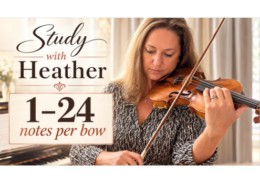 https://heatherkayeviolin.com/wp-content/uploads/2026/09/BP-Image.png
400
495
Heather Kaye
https://heatherkayeviolin.com/wp-content/uploads/2026/09/BVSA-logo.png
Heather Kaye2026-09-20 23:03:142026-09-27 00:22:52Three-Octave C Major Violin Scale: 1 to 24 Notes Per Bow
https://heatherkayeviolin.com/wp-content/uploads/2026/09/BP-Image.png
400
495
Heather Kaye
https://heatherkayeviolin.com/wp-content/uploads/2026/09/BVSA-logo.png
Heather Kaye2026-09-20 23:03:142026-09-27 00:22:52Three-Octave C Major Violin Scale: 1 to 24 Notes Per Bow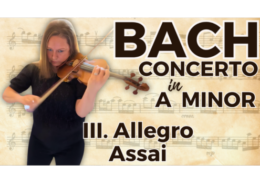 https://heatherkayeviolin.com/wp-content/uploads/2026/04/BP-Image-3.png
400
495
Heather Kaye
https://heatherkayeviolin.com/wp-content/uploads/2026/09/BVSA-logo.png
Heather Kaye2026-04-27 11:56:032026-04-27 12:27:30Bach Violin Concerto in A Minor – Third Movement Allegro Assai (Violin Performance)
https://heatherkayeviolin.com/wp-content/uploads/2026/04/BP-Image-3.png
400
495
Heather Kaye
https://heatherkayeviolin.com/wp-content/uploads/2026/09/BVSA-logo.png
Heather Kaye2026-04-27 11:56:032026-04-27 12:27:30Bach Violin Concerto in A Minor – Third Movement Allegro Assai (Violin Performance)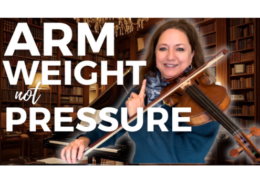 https://heatherkayeviolin.com/wp-content/uploads/2026/04/BP-Image-2.png
400
495
Heather Kaye
https://heatherkayeviolin.com/wp-content/uploads/2026/09/BVSA-logo.png
Heather Kaye2026-04-13 09:43:132026-10-25 03:58:41How to Pull Sound Out of the Violin (Instead of Pressing Into the String)
https://heatherkayeviolin.com/wp-content/uploads/2026/04/BP-Image-2.png
400
495
Heather Kaye
https://heatherkayeviolin.com/wp-content/uploads/2026/09/BVSA-logo.png
Heather Kaye2026-04-13 09:43:132026-10-25 03:58:41How to Pull Sound Out of the Violin (Instead of Pressing Into the String)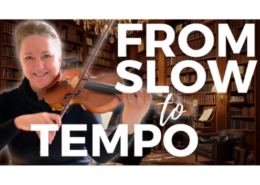 https://heatherkayeviolin.com/wp-content/uploads/2026/04/BP-Image-1.png
400
495
Heather Kaye
https://heatherkayeviolin.com/wp-content/uploads/2026/09/BVSA-logo.png
Heather Kaye2026-04-12 08:53:552026-09-22 02:38:32Why Your Playing Falls Apart at Tempo (And How to Fix It)
https://heatherkayeviolin.com/wp-content/uploads/2026/04/BP-Image-1.png
400
495
Heather Kaye
https://heatherkayeviolin.com/wp-content/uploads/2026/09/BVSA-logo.png
Heather Kaye2026-04-12 08:53:552026-09-22 02:38:32Why Your Playing Falls Apart at Tempo (And How to Fix It)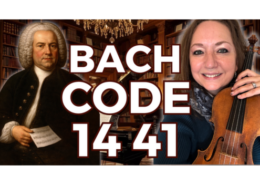 https://heatherkayeviolin.com/wp-content/uploads/2026/04/BP-Image.png
400
495
Heather Kaye
https://heatherkayeviolin.com/wp-content/uploads/2026/09/BVSA-logo.png
Heather Kaye2026-04-11 21:54:152026-09-22 02:38:42Bach Musical Signature 14: The Hidden Meaning of 14, 41 and B-A-C-H
https://heatherkayeviolin.com/wp-content/uploads/2026/04/BP-Image.png
400
495
Heather Kaye
https://heatherkayeviolin.com/wp-content/uploads/2026/09/BVSA-logo.png
Heather Kaye2026-04-11 21:54:152026-09-22 02:38:42Bach Musical Signature 14: The Hidden Meaning of 14, 41 and B-A-C-H https://heatherkayeviolin.com/wp-content/uploads/2026/03/BP-Image-9.png
400
495
Heather Kaye
https://heatherkayeviolin.com/wp-content/uploads/2026/09/BVSA-logo.png
Heather Kaye2026-03-16 13:17:002026-09-21 21:56:36How to Practice Bach Violin Concerto in A Minor – 3rd Movement (Measures 105–116)
https://heatherkayeviolin.com/wp-content/uploads/2026/03/BP-Image-9.png
400
495
Heather Kaye
https://heatherkayeviolin.com/wp-content/uploads/2026/09/BVSA-logo.png
Heather Kaye2026-03-16 13:17:002026-09-21 21:56:36How to Practice Bach Violin Concerto in A Minor – 3rd Movement (Measures 105–116) https://heatherkayeviolin.com/wp-content/uploads/2026/03/BP-Image-Bach-82_90-1.png
400
495
Heather Kaye
https://heatherkayeviolin.com/wp-content/uploads/2026/09/BVSA-logo.png
Heather Kaye2026-03-16 11:20:412026-09-21 21:56:29How to Practice Bach Violin Concerto in A Minor – 3rd Movement (Measures 82–90)
https://heatherkayeviolin.com/wp-content/uploads/2026/03/BP-Image-Bach-82_90-1.png
400
495
Heather Kaye
https://heatherkayeviolin.com/wp-content/uploads/2026/09/BVSA-logo.png
Heather Kaye2026-03-16 11:20:412026-09-21 21:56:29How to Practice Bach Violin Concerto in A Minor – 3rd Movement (Measures 82–90) https://heatherkayeviolin.com/wp-content/uploads/2026/03/BP-Image-Adagio.png
400
495
Heather Kaye
https://heatherkayeviolin.com/wp-content/uploads/2026/09/BVSA-logo.png
Heather Kaye2026-03-15 18:36:412026-09-21 21:56:20Rieding Concertino in D Major Op. 25 Second Movement
https://heatherkayeviolin.com/wp-content/uploads/2026/03/BP-Image-Adagio.png
400
495
Heather Kaye
https://heatherkayeviolin.com/wp-content/uploads/2026/09/BVSA-logo.png
Heather Kaye2026-03-15 18:36:412026-09-21 21:56:20Rieding Concertino in D Major Op. 25 Second Movement Heather Kaye Broadbent
https://heatherkayeviolin.com/wp-content/uploads/2026/03/BP-Image-8.png
400
495
Heather Kaye
https://heatherkayeviolin.com/wp-content/uploads/2026/09/BVSA-logo.png
Heather Kaye2026-03-15 18:09:182026-03-16 09:07:26Rieding Concertino in D Major Op. 25 First Movement
Heather Kaye Broadbent
https://heatherkayeviolin.com/wp-content/uploads/2026/03/BP-Image-8.png
400
495
Heather Kaye
https://heatherkayeviolin.com/wp-content/uploads/2026/09/BVSA-logo.png
Heather Kaye2026-03-15 18:09:182026-03-16 09:07:26Rieding Concertino in D Major Op. 25 First Movement https://heatherkayeviolin.com/wp-content/uploads/2026/03/BP-Image-1-3.png
400
495
Heather Kaye
https://heatherkayeviolin.com/wp-content/uploads/2026/09/BVSA-logo.png
Heather Kaye2026-03-14 10:45:392026-03-19 12:06:33Bach Violin Concerto A Minor Andante
https://heatherkayeviolin.com/wp-content/uploads/2026/03/BP-Image-1-3.png
400
495
Heather Kaye
https://heatherkayeviolin.com/wp-content/uploads/2026/09/BVSA-logo.png
Heather Kaye2026-03-14 10:45:392026-03-19 12:06:33Bach Violin Concerto A Minor Andante https://heatherkayeviolin.com/wp-content/uploads/2026/03/BP-Image-7.png
400
495
Heather Kaye
https://heatherkayeviolin.com/wp-content/uploads/2026/09/BVSA-logo.png
Heather Kaye2026-03-12 15:02:462026-03-12 15:22:32Rieding Concertino A Minor Op 21
https://heatherkayeviolin.com/wp-content/uploads/2026/03/BP-Image-7.png
400
495
Heather Kaye
https://heatherkayeviolin.com/wp-content/uploads/2026/09/BVSA-logo.png
Heather Kaye2026-03-12 15:02:462026-03-12 15:22:32Rieding Concertino A Minor Op 21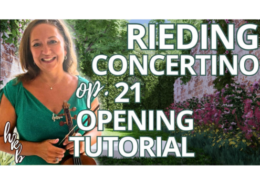 Heather Kaye Broadbent
https://heatherkayeviolin.com/wp-content/uploads/2026/03/BP-Image-1-2.png
400
495
Heather Kaye
https://heatherkayeviolin.com/wp-content/uploads/2026/09/BVSA-logo.png
Heather Kaye2026-03-12 12:10:492026-03-12 15:45:43Rieding Concertino Op 21 A Minor Violin Tutorial
Heather Kaye Broadbent
https://heatherkayeviolin.com/wp-content/uploads/2026/03/BP-Image-1-2.png
400
495
Heather Kaye
https://heatherkayeviolin.com/wp-content/uploads/2026/09/BVSA-logo.png
Heather Kaye2026-03-12 12:10:492026-03-12 15:45:43Rieding Concertino Op 21 A Minor Violin Tutorial https://heatherkayeviolin.com/wp-content/uploads/2026/03/BP-Image-pno-only.png
400
495
Heather Kaye
https://heatherkayeviolin.com/wp-content/uploads/2026/09/BVSA-logo.png
Heather Kaye2026-03-11 17:39:582026-03-11 17:53:46Rieding Dance of the Dragonflies Op 20 – Piano Accompaniment for Violin
https://heatherkayeviolin.com/wp-content/uploads/2026/03/BP-Image-pno-only.png
400
495
Heather Kaye
https://heatherkayeviolin.com/wp-content/uploads/2026/09/BVSA-logo.png
Heather Kaye2026-03-11 17:39:582026-03-11 17:53:46Rieding Dance of the Dragonflies Op 20 – Piano Accompaniment for Violin https://heatherkayeviolin.com/wp-content/uploads/2026/03/BP-Image-6.png
400
495
Heather Kaye
https://heatherkayeviolin.com/wp-content/uploads/2026/09/BVSA-logo.png
Heather Kaye2026-03-11 17:15:382026-03-11 17:55:04Rieding: Dance of the Dragonflies (Libellentanz Op 20) – Violin Repertoire
https://heatherkayeviolin.com/wp-content/uploads/2026/03/BP-Image-6.png
400
495
Heather Kaye
https://heatherkayeviolin.com/wp-content/uploads/2026/09/BVSA-logo.png
Heather Kaye2026-03-11 17:15:382026-03-11 17:55:04Rieding: Dance of the Dragonflies (Libellentanz Op 20) – Violin Repertoire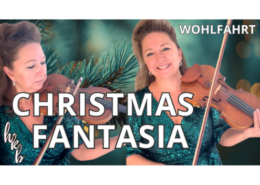 https://heatherkayeviolin.com/wp-content/uploads/2026/03/BP-Image-1-1.png
400
495
Heather Kaye
https://heatherkayeviolin.com/wp-content/uploads/2026/09/BVSA-logo.png
Heather Kaye2026-03-11 14:34:392026-03-11 14:57:39Wohlfahrt Christmas Fantasia, Op. 83 – Two Violins & Piano
https://heatherkayeviolin.com/wp-content/uploads/2026/03/BP-Image-1-1.png
400
495
Heather Kaye
https://heatherkayeviolin.com/wp-content/uploads/2026/09/BVSA-logo.png
Heather Kaye2026-03-11 14:34:392026-03-11 14:57:39Wohlfahrt Christmas Fantasia, Op. 83 – Two Violins & Piano https://heatherkayeviolin.com/wp-content/uploads/2026/03/BP-Image-pno-1.png
400
495
Heather Kaye
https://heatherkayeviolin.com/wp-content/uploads/2026/09/BVSA-logo.png
Heather Kaye2026-03-11 14:07:192026-03-11 17:57:21Coventry Carol – Piano Accompaniment for Violin | Christmas Carol Accompaniment
https://heatherkayeviolin.com/wp-content/uploads/2026/03/BP-Image-pno-1.png
400
495
Heather Kaye
https://heatherkayeviolin.com/wp-content/uploads/2026/09/BVSA-logo.png
Heather Kaye2026-03-11 14:07:192026-03-11 17:57:21Coventry Carol – Piano Accompaniment for Violin | Christmas Carol Accompaniment © Heather Kaye Broadbent
https://heatherkayeviolin.com/wp-content/uploads/2026/03/BP-Image-5.png
400
495
Heather Kaye
https://heatherkayeviolin.com/wp-content/uploads/2026/09/BVSA-logo.png
Heather Kaye2026-03-11 11:28:142026-03-11 14:20:28Coventry Carol for Violin and Piano | Christmas Carol Performance
© Heather Kaye Broadbent
https://heatherkayeviolin.com/wp-content/uploads/2026/03/BP-Image-5.png
400
495
Heather Kaye
https://heatherkayeviolin.com/wp-content/uploads/2026/09/BVSA-logo.png
Heather Kaye2026-03-11 11:28:142026-03-11 14:20:28Coventry Carol for Violin and Piano | Christmas Carol Performance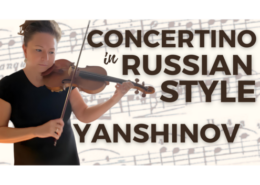 Heather Kaye Broadbent
https://heatherkayeviolin.com/wp-content/uploads/2026/03/BP-Image-4.png
400
495
Heather Kaye
https://heatherkayeviolin.com/wp-content/uploads/2026/09/BVSA-logo.png
Heather Kaye2026-03-10 15:15:092026-03-10 16:01:58Yanshinov Concertino in A Minor, Op. 35 – Violin Performance
Heather Kaye Broadbent
https://heatherkayeviolin.com/wp-content/uploads/2026/03/BP-Image-4.png
400
495
Heather Kaye
https://heatherkayeviolin.com/wp-content/uploads/2026/09/BVSA-logo.png
Heather Kaye2026-03-10 15:15:092026-03-10 16:01:58Yanshinov Concertino in A Minor, Op. 35 – Violin Performance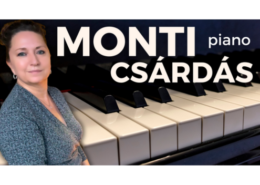 Heather Kaye Broadbent
https://heatherkayeviolin.com/wp-content/uploads/2026/03/BP-Image-pno.png
400
495
Heather Kaye
https://heatherkayeviolin.com/wp-content/uploads/2026/09/BVSA-logo.png
Heather Kaye2026-03-10 12:43:122026-09-21 21:40:52Monti Czárdás for Violin – Piano Accompaniment
Heather Kaye Broadbent
https://heatherkayeviolin.com/wp-content/uploads/2026/03/BP-Image-pno.png
400
495
Heather Kaye
https://heatherkayeviolin.com/wp-content/uploads/2026/09/BVSA-logo.png
Heather Kaye2026-03-10 12:43:122026-09-21 21:40:52Monti Czárdás for Violin – Piano Accompaniment Heather Kaye Broadbent
https://heatherkayeviolin.com/wp-content/uploads/2026/03/BP-Image-2.png
400
495
Heather Kaye
https://heatherkayeviolin.com/wp-content/uploads/2026/09/BVSA-logo.png
Heather Kaye2026-03-10 11:49:532026-09-21 21:40:59Monti Czardas Violin Performance | Vittorio Monti
Heather Kaye Broadbent
https://heatherkayeviolin.com/wp-content/uploads/2026/03/BP-Image-2.png
400
495
Heather Kaye
https://heatherkayeviolin.com/wp-content/uploads/2026/09/BVSA-logo.png
Heather Kaye2026-03-10 11:49:532026-09-21 21:40:59Monti Czardas Violin Performance | Vittorio Monti Heather Kaye Broadbent
https://heatherkayeviolin.com/wp-content/uploads/2026/03/BP-Image-3.png
400
495
Heather Kaye
https://heatherkayeviolin.com/wp-content/uploads/2026/09/BVSA-logo.png
Heather Kaye2026-03-09 19:26:492026-09-22 03:19:20Why Violin Progress Stalls — And What Actually Changes It
Heather Kaye Broadbent
https://heatherkayeviolin.com/wp-content/uploads/2026/03/BP-Image-3.png
400
495
Heather Kaye
https://heatherkayeviolin.com/wp-content/uploads/2026/09/BVSA-logo.png
Heather Kaye2026-03-09 19:26:492026-09-22 03:19:20Why Violin Progress Stalls — And What Actually Changes It © Heather Kaye Broadbent
https://heatherkayeviolin.com/wp-content/uploads/2026/03/BP-Image-1.png
400
495
Heather Kaye
https://heatherkayeviolin.com/wp-content/uploads/2026/09/BVSA-logo.png
Heather Kaye2026-03-09 18:43:142026-03-19 10:11:46Bach Violin Concerto in A Minor – First Movement Allegro (Violin Performance)
© Heather Kaye Broadbent
https://heatherkayeviolin.com/wp-content/uploads/2026/03/BP-Image-1.png
400
495
Heather Kaye
https://heatherkayeviolin.com/wp-content/uploads/2026/09/BVSA-logo.png
Heather Kaye2026-03-09 18:43:142026-03-19 10:11:46Bach Violin Concerto in A Minor – First Movement Allegro (Violin Performance) © Heather Kaye Broadbent
https://heatherkayeviolin.com/wp-content/uploads/2026/03/BP-Image.png
400
495
Heather Kaye
https://heatherkayeviolin.com/wp-content/uploads/2026/09/BVSA-logo.png
Heather Kaye2026-03-09 11:30:262026-03-09 16:07:01Vivaldi Violin Concerto in A Minor – Allegro | Violin Performance
© Heather Kaye Broadbent
https://heatherkayeviolin.com/wp-content/uploads/2026/03/BP-Image.png
400
495
Heather Kaye
https://heatherkayeviolin.com/wp-content/uploads/2026/09/BVSA-logo.png
Heather Kaye2026-03-09 11:30:262026-03-09 16:07:01Vivaldi Violin Concerto in A Minor – Allegro | Violin Performance © Heather Kaye Broadbent
https://heatherkayeviolin.com/wp-content/uploads/2026/03/BP-Image-.png
400
495
Heather Kaye
https://heatherkayeviolin.com/wp-content/uploads/2026/09/BVSA-logo.png
Heather Kaye2026-03-08 22:10:412026-09-30 01:28:12Clean String Crossings on the Violin | Stop Hitting Other Strings
© Heather Kaye Broadbent
https://heatherkayeviolin.com/wp-content/uploads/2026/03/BP-Image-.png
400
495
Heather Kaye
https://heatherkayeviolin.com/wp-content/uploads/2026/09/BVSA-logo.png
Heather Kaye2026-03-08 22:10:412026-09-30 01:28:12Clean String Crossings on the Violin | Stop Hitting Other Strings Heather Kaye Broadbent
https://heatherkayeviolin.com/wp-content/uploads/2025/01/BP-Image.png
400
495
Heather Kaye
https://heatherkayeviolin.com/wp-content/uploads/2026/09/BVSA-logo.png
Heather Kaye2025-01-27 14:36:442026-03-10 12:17:12White Christmas Violin | Holiday Violin Music
Heather Kaye Broadbent
https://heatherkayeviolin.com/wp-content/uploads/2025/01/BP-Image.png
400
495
Heather Kaye
https://heatherkayeviolin.com/wp-content/uploads/2026/09/BVSA-logo.png
Heather Kaye2025-01-27 14:36:442026-03-10 12:17:12White Christmas Violin | Holiday Violin Music https://heatherkayeviolin.com/wp-content/uploads/2023/07/BP-Image-4.png
400
495
Heather Kaye
https://heatherkayeviolin.com/wp-content/uploads/2026/09/BVSA-logo.png
Heather Kaye2023-07-05 07:15:262026-10-25 01:01:46The Role of Thumb in the Violin Bow Hold for Best Results
https://heatherkayeviolin.com/wp-content/uploads/2023/07/BP-Image-4.png
400
495
Heather Kaye
https://heatherkayeviolin.com/wp-content/uploads/2026/09/BVSA-logo.png
Heather Kaye2023-07-05 07:15:262026-10-25 01:01:46The Role of Thumb in the Violin Bow Hold for Best Results https://heatherkayeviolin.com/wp-content/uploads/2023/06/BP-Featured-Image-1.png
400
495
Heather Kaye
https://heatherkayeviolin.com/wp-content/uploads/2026/09/BVSA-logo.png
Heather Kaye2023-07-03 15:18:252026-09-21 21:42:37How To Play Flat Keys In Tune Like A Pro
https://heatherkayeviolin.com/wp-content/uploads/2023/06/BP-Featured-Image-1.png
400
495
Heather Kaye
https://heatherkayeviolin.com/wp-content/uploads/2026/09/BVSA-logo.png
Heather Kaye2023-07-03 15:18:252026-09-21 21:42:37How To Play Flat Keys In Tune Like A Pro https://heatherkayeviolin.com/wp-content/uploads/2023/06/BP-Featured-Image-3.png
400
495
Heather Kaye
https://heatherkayeviolin.com/wp-content/uploads/2026/09/BVSA-logo.png
Heather Kaye2023-07-03 12:08:492026-09-22 02:39:00B flat, B, C and D Two Octave Major Scales in 2nd Position on the Violin
https://heatherkayeviolin.com/wp-content/uploads/2023/06/BP-Featured-Image-3.png
400
495
Heather Kaye
https://heatherkayeviolin.com/wp-content/uploads/2026/09/BVSA-logo.png
Heather Kaye2023-07-03 12:08:492026-09-22 02:39:00B flat, B, C and D Two Octave Major Scales in 2nd Position on the Violin https://heatherkayeviolin.com/wp-content/uploads/2023/06/BP-Featured-Image-2.png
400
495
Heather Kaye
https://heatherkayeviolin.com/wp-content/uploads/2026/09/BVSA-logo.png
Heather Kaye2023-06-28 11:49:222026-09-21 21:43:17Self-correcting With Video
https://heatherkayeviolin.com/wp-content/uploads/2023/06/BP-Featured-Image-2.png
400
495
Heather Kaye
https://heatherkayeviolin.com/wp-content/uploads/2026/09/BVSA-logo.png
Heather Kaye2023-06-28 11:49:222026-09-21 21:43:17Self-correcting With Video https://heatherkayeviolin.com/wp-content/uploads/2023/05/BP-Image.png
400
495
Heather Kaye
https://heatherkayeviolin.com/wp-content/uploads/2026/09/BVSA-logo.png
Heather Kaye2023-05-26 19:18:022026-10-13 22:07:13Kreisler Praeludium and Allegro: How to Practice the Hardest Passages
https://heatherkayeviolin.com/wp-content/uploads/2023/05/BP-Image.png
400
495
Heather Kaye
https://heatherkayeviolin.com/wp-content/uploads/2026/09/BVSA-logo.png
Heather Kaye2023-05-26 19:18:022026-10-13 22:07:13Kreisler Praeludium and Allegro: How to Practice the Hardest Passages https://heatherkayeviolin.com/wp-content/uploads/2023/05/BP-Featured-Image.png
400
495
Heather Kaye
https://heatherkayeviolin.com/wp-content/uploads/2026/09/BVSA-logo.png
Heather Kaye2023-05-25 18:11:362026-09-21 21:44:05How to Practice Shifting to Third Position
https://heatherkayeviolin.com/wp-content/uploads/2023/05/BP-Featured-Image.png
400
495
Heather Kaye
https://heatherkayeviolin.com/wp-content/uploads/2026/09/BVSA-logo.png
Heather Kaye2023-05-25 18:11:362026-09-21 21:44:05How to Practice Shifting to Third Position https://heatherkayeviolin.com/wp-content/uploads/2023/04/BP-Image.png
400
495
Heather Kaye
https://heatherkayeviolin.com/wp-content/uploads/2026/09/BVSA-logo.png
Heather Kaye2023-04-20 15:06:302026-10-23 05:36:31How to Practice Playing with a Metronome as a Violinist
https://heatherkayeviolin.com/wp-content/uploads/2023/04/BP-Image.png
400
495
Heather Kaye
https://heatherkayeviolin.com/wp-content/uploads/2026/09/BVSA-logo.png
Heather Kaye2023-04-20 15:06:302026-10-23 05:36:31How to Practice Playing with a Metronome as a Violinist https://heatherkayeviolin.com/wp-content/uploads/2017/06/BP-Featured-Image.png
400
495
Heather Kaye
https://heatherkayeviolin.com/wp-content/uploads/2026/09/BVSA-logo.png
Heather Kaye2023-04-19 16:21:552026-09-30 01:27:41Don’t halt your progress reading numbers and not notes
https://heatherkayeviolin.com/wp-content/uploads/2017/06/BP-Featured-Image.png
400
495
Heather Kaye
https://heatherkayeviolin.com/wp-content/uploads/2026/09/BVSA-logo.png
Heather Kaye2023-04-19 16:21:552026-09-30 01:27:41Don’t halt your progress reading numbers and not notes https://heatherkayeviolin.com/wp-content/uploads/2023/02/BP-Featured-Image-2.png
400
495
Heather Kaye
https://heatherkayeviolin.com/wp-content/uploads/2026/09/BVSA-logo.png
Heather Kaye2023-02-25 22:38:562026-09-30 01:27:16Fundamentals of Clean String Crossings on the Violin
https://heatherkayeviolin.com/wp-content/uploads/2023/02/BP-Featured-Image-2.png
400
495
Heather Kaye
https://heatherkayeviolin.com/wp-content/uploads/2026/09/BVSA-logo.png
Heather Kaye2023-02-25 22:38:562026-09-30 01:27:16Fundamentals of Clean String Crossings on the Violin https://heatherkayeviolin.com/wp-content/uploads/2023/01/BP-Featured-Image-3.png
400
495
Heather Kaye
https://heatherkayeviolin.com/wp-content/uploads/2026/09/BVSA-logo.png
Heather Kaye2023-01-31 14:29:082026-09-30 01:24:31Which is Better, Used or New Violin?
https://heatherkayeviolin.com/wp-content/uploads/2023/01/BP-Featured-Image-3.png
400
495
Heather Kaye
https://heatherkayeviolin.com/wp-content/uploads/2026/09/BVSA-logo.png
Heather Kaye2023-01-31 14:29:082026-09-30 01:24:31Which is Better, Used or New Violin? https://heatherkayeviolin.com/wp-content/uploads/2022/12/BP-Featured-Image-3.png
400
495
Heather Kaye
https://heatherkayeviolin.com/wp-content/uploads/2026/09/BVSA-logo.png
Heather Kaye2022-12-21 17:21:112026-09-21 21:48:16How Many Hours a Day Should You Practice the Violin for Best Results
https://heatherkayeviolin.com/wp-content/uploads/2022/12/BP-Featured-Image-3.png
400
495
Heather Kaye
https://heatherkayeviolin.com/wp-content/uploads/2026/09/BVSA-logo.png
Heather Kaye2022-12-21 17:21:112026-09-21 21:48:16How Many Hours a Day Should You Practice the Violin for Best Results